

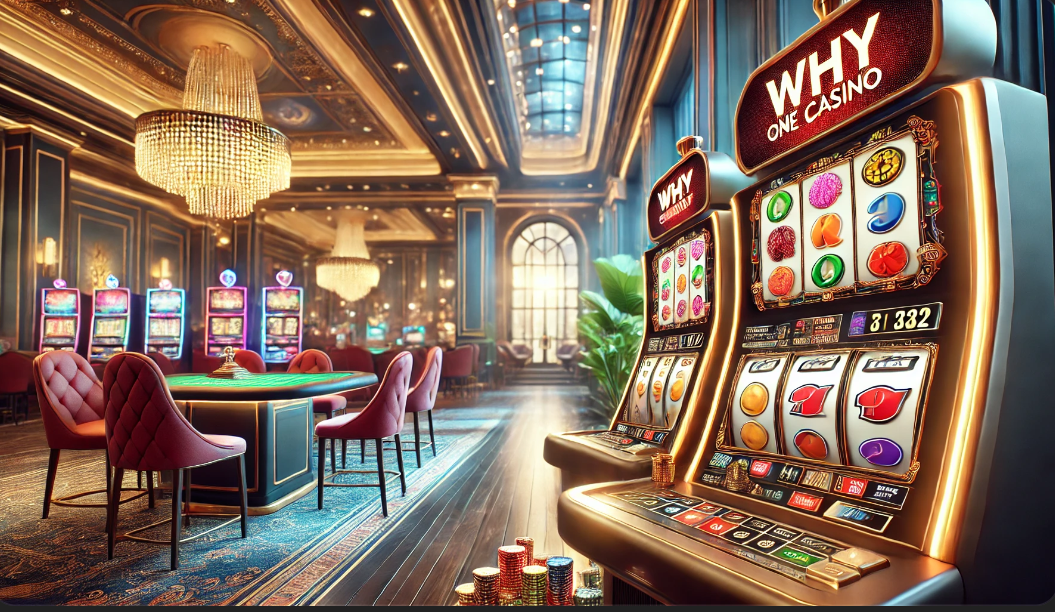
RNG games are digital casino titles powered by a random number generator, which is software designed to produce unpredictable results. Slots, digital roulette, blackjack simulations, video poker, and many instant-win games usually fall into this category. The outcome is created by the system rather than by a physical dealer or real equipment. This does not mean the games are less structured; licensed RNG titles are tested to ensure fairness and consistency. Their main strength is convenience, because players can open a game quickly, set their pace, and play without waiting for anyone else.
How Live Dealer Games Work
Live dealer games use real presenters, physical gaming tables, cameras, and streaming technology to create a casino-style experience online. On platforms reviewed alongside brands such as Gxmble, players often compare live tables with RNG games because the atmosphere feels completely different. Instead of pressing a button and receiving an instant result from software, the player watches a dealer spin a wheel, deal cards, or host a game show format in real time. The outcome comes from real-world action, while the digital interface handles bets, timers, balance updates, and communication.
Speed and Control During Play
One of the biggest differences is pace. RNG games are usually faster because the player controls when each round begins. A digital slot can be spun repeatedly within seconds, and a virtual blackjack hand can move as quickly as the player wants. Live dealer games are slower because they follow a shared table rhythm. Bets close at a set time, cards are dealt to multiple players, and the dealer must complete each step clearly on camera. Some players enjoy the slower pace because it feels more deliberate, while others prefer the instant flow of RNG titles.
Atmosphere and Social Interaction
RNG games are often private and focused, giving players a quiet experience without direct interaction. This can suit someone who wants simple entertainment, quick decisions, or sessions without distractions. Live dealer games add a social layer through dealer conversation, chat features, and the feeling of joining a real table. Even when a player does not type in chat, seeing a human host changes the mood of the game. The experience can feel more personal, especially in roulette, baccarat, and live game shows where presentation plays a central role.
Variety Across Both Formats
RNG games offer enormous variety because developers can create almost any theme, mechanic, or visual style. Slots may include fantasy worlds, cinematic animations, complex bonus rounds, or unusual reel systems. Live dealer games are more limited by physical production, but they have expanded quickly in recent years. Traditional tables now sit alongside immersive studios, multiplier-based game shows, and creative hybrids that combine real hosts with digital effects. The choice is not simply between old and new technology. It is between two different ways of delivering entertainment, each with its own strengths.
The best choice depends on what the player values most. RNG games suit people who want speed, flexibility, and broad variety, especially when playing short sessions or exploring different themes. Live dealer games suit players who enjoy atmosphere, real-time presentation, and a stronger sense of occasion. Many casino users enjoy both, switching between formats depending on mood and available time. Understanding the difference helps players set better expectations. RNG games deliver quick digital control, while live dealer games offer a streamed table experience that feels closer to a land-based casino.